

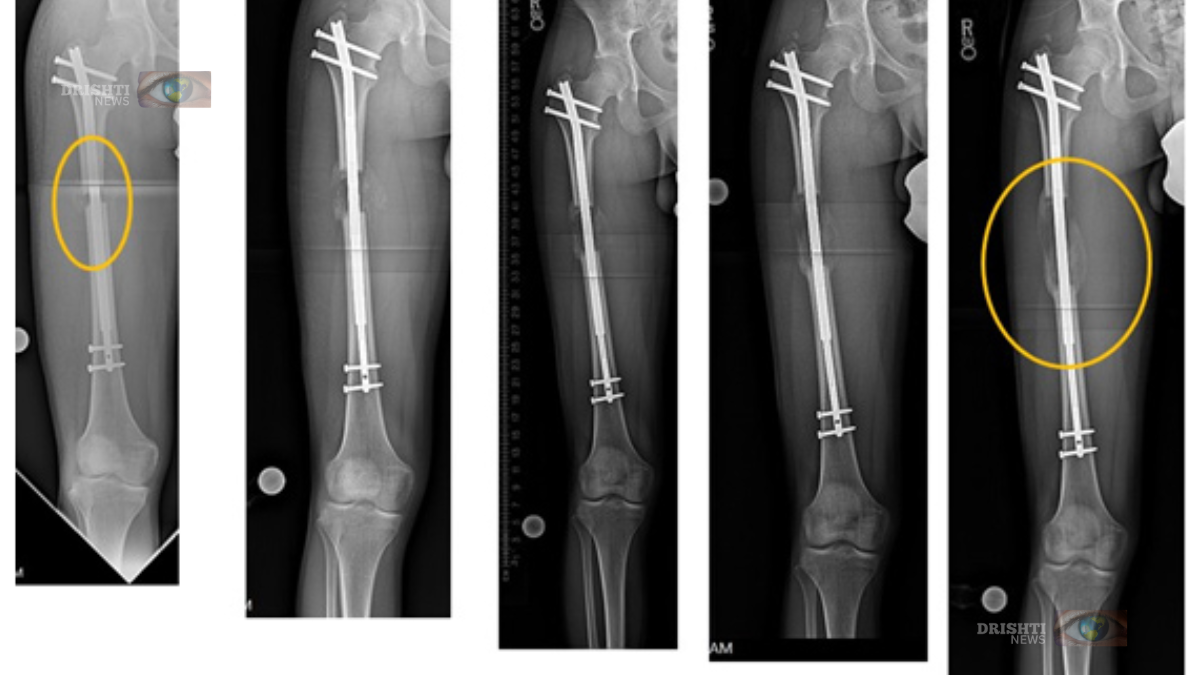
Limb-lengthening surgery, also known as limb lengthening and reconstruction or limb lengthening procedure, is a surgical technique used to increase the length of bones in the arms or legs. The primary purpose of this procedure is to correct limb length discrepancies or to increase the height of individuals with short stature.
The surgery involves a gradual and controlled process of bone distraction, wherein the bone is cut surgically and then gradually separated over time. The separated bone segments are then encouraged to heal and generate new bone tissue through a process known as distraction osteogenesis.
Table of Contents
The typical steps involved in limb-lengthening surgery are:
Preoperative planning:
Before the surgery, a thorough evaluation of the patient’s condition is conducted, including medical history, physical examination, and imaging studies (X-rays, CT scans, or MRIs). The surgeon will determine the appropriate length to be achieved and discuss the procedure and potential risks with the patient.
Surgery:
The actual procedure is usually performed under general anesthesia. During the operation, the surgeon makes an incision near the target bone and carefully cuts it (osteotomy). Special devices, such as an external fixator or an internal nail, are then attached to the bone on both sides of the cut.
Hockey: India Beats Malaysia 5-0 In Asian Champions Trophy Game
Distraction phase:
After the surgery, a controlled distraction phase begins. The external fixator or internal nail allows for gradual and controlled separation of the bone segments. The patient or a caregiver is instructed on how to use the external fixator to perform daily adjustments, which may involve turning screws to slowly stretch the bone apart. This process stimulates the body to form new bone tissue in the gap created.
Healing and consolidation:
Over several weeks or months, the body generates new bone tissue in the gap, filling the space created by the gradual separation. The surrounding soft tissues, such as muscles and blood vessels, also adapt to the new bone length.
Removal of the fixator:
Once the desired bone length is achieved and confirmed by X-rays, the distraction phase is stopped, and the bone is allowed to consolidate and strengthen. The external fixator is removed through a minor surgical procedure, often performed under local anesthesia.
Rehabilitation:
After the fixator removal, physical therapy and rehabilitation are essential to help the patient regain strength, flexibility, and functionality in the lengthened limb.
Limb-lengthening surgery can significantly improve the quality of life for individuals with limb length discrepancies or those seeking increased height. However, it is a complex procedure with potential risks and complications, such as infection, nerve or blood vessel injury, or problems with bone healing. Therefore, careful patient selection, appropriate surgical planning, and follow-up care are crucial for a successful outcome. As with any surgery, potential candidates should have a thorough discussion with their healthcare provider to understand the benefits, risks, and alternatives before making a decision.