

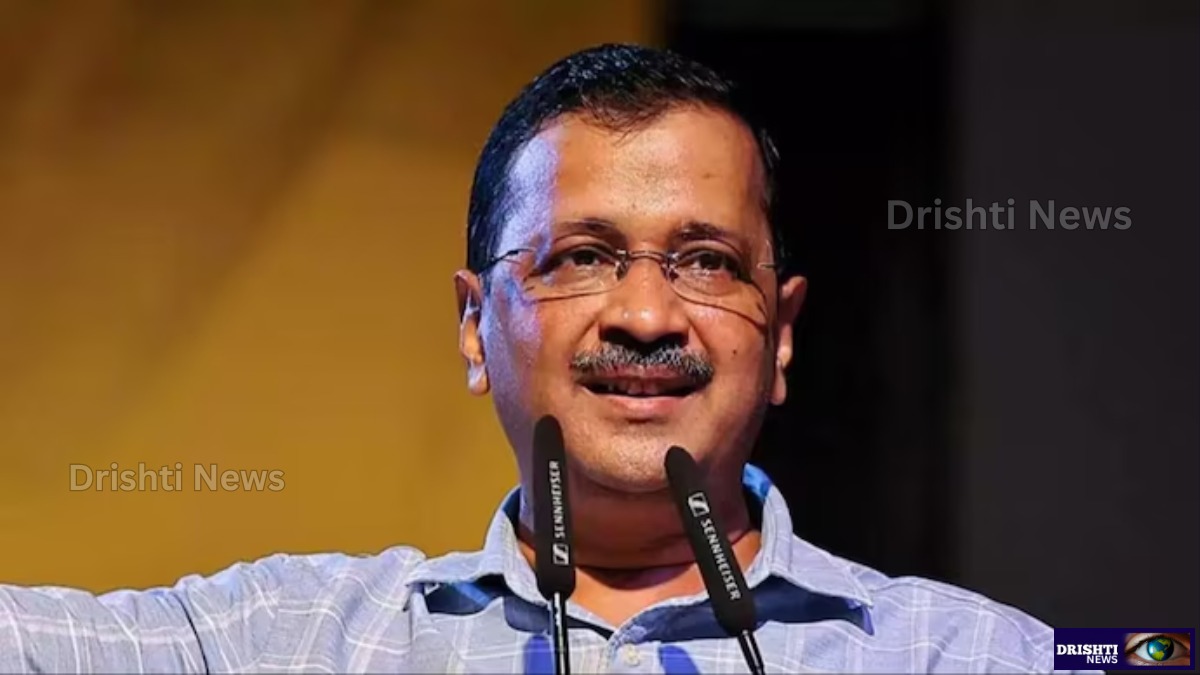
In a significant development, the Supreme Court has granted interim bail to Delhi Chief Minister Arvind Kejriwal until June 1, coinciding with the final phase of voting in the 2024 Lok Sabha elections. Kejriwal, who has been in Tihar Jail since his arrest by the Enforcement Directorate on March 21 in connection with the alleged Delhi liquor excise policy scam, will have to surrender by June 2. The court’s decision comes amidst fervent pleas from Kejriwal’s legal team for bail extension until July, allowing him to participate in campaigning and post-election governmental duties.
Table of Contents
Relief Amidst Legal Battle
The apex court dismissed arguments regarding the duration of bail, emphasizing that a mere 21-day difference does not alter the circumstances significantly. Justices Sanjiv Khanna and Dipankar Datta underscored the need to avoid drawing parallels with other cases, asserting that Arvind Kejriwal’s previous duration of confinement should not influence the decision. The court’s stance paves the way for Arvind Kejriwal’s temporary release, enabling him to engage in pre-election campaigning activities.
Bail Conditions and Political Implications
Mirroring the conditions imposed on Kejriwal’s colleague, Rajya Sabha MP Sanjay Singh, the court outlined specific bail conditions for the Chief Minister. While allowing political activities, Kejriwal is prohibited from visiting his office or the Delhi Secretariat. Moreover, he is barred from interacting with case witnesses and commenting on his role in the ongoing investigation. These restrictions, coupled with the requirement of bail bonds worth ₹50,000, delineate the legal framework surrounding Kejriwal’s release.
Political Responses and Legal Dynamics
The Supreme Court’s decision has elicited varied responses from political quarters. Leaders across party lines have expressed support for Arvind Kejriwal, citing the verdict as a reaffirmation of constitutional principles. AAP leader and Delhi Environment Minister Gopal Rai hailed the court’s ruling as a beacon of hope, echoing sentiments of gratitude towards the judiciary. Opposition parties, including the Samajwadi Party and the Congress, have lauded the intervention, emphasizing the importance of upholding democratic values.
Trinamool Congress chief Mamata Banerjee and Shiv Sena scion Aaditya Thackeray have also endorsed the verdict, viewing it as a testament to the resilience of democratic institutions. However, the Enforcement Directorate’s opposition to Kejriwal’s bail underscores the contentious legal battle surrounding the alleged liquor excise policy scam. The agency’s assertion of equal treatment under the law underscores the complexities of the case, with political ramifications reverberating across the electoral landscape.
Click to join our whatsapp group
Allegations and Legal Proceedings
At the heart of the controversy lies the Enforcement Directorate’s allegations of kickbacks in the Delhi liquor excise policy under the AAP government’s tenure. The ED contends that funds garnered through illicit means were utilized to finance electoral campaigns, implicating Arvind Kejriwal and his party. In response, the AAP vehemently denies these allegations, attributing them to political vendetta orchestrated by the BJP. The legal wrangling surrounding the case underscores the fraught relationship between political rivals in the lead-up to elections.
Interplay of Legal Battles and Political Dynamics in Arvind Kejriwal’s Interim Bail
As Arvind Kejriwal awaits his temporary reprieve from incarceration, the legal battle surrounding the alleged Delhi liquor excise policy scam continues to unfold. The Supreme Court’s interim bail order serves as a testament to the delicate balance between legal proceedings and democratic participation. Against the backdrop of electoral fervor, the fate of Kejriwal and the AAP remains intricately intertwined with broader political dynamics, shaping the contours of India’s democratic landscape.
Also read India’s Export Strategy: Pivoting to New Markets Amidst Traditional Partner Decline